
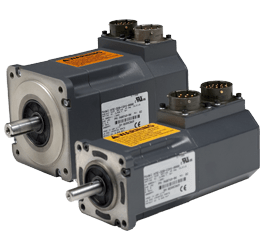
The world of robotics and automation has been revolutionized by a small but powerful component known as servo servo motor servo drive micro servo servo motor arduino rc servo servo amplifier remote control servo servo amp arduino and servo motor arduino motor stepper linear servo ac servo motor dc servo motor . These versatile and precise motors are used in a wide range of applications, from industrial machinery to RC cars and drones. They play a crucial role in controlling the movement of various mechanisms, making them a must-have for any project that requires accurate and efficient motion control. In this article, we’ll take a closer look at what servo servo motor servo drive micro servo servo motor arduino rc servo servo amplifier remote control servo servo amp arduino and servo motor arduino motor stepper linear servo ac servo motor dc servo motor are, how they work, and how they can be used to bring your projects to life.
What Are Servo Motors?
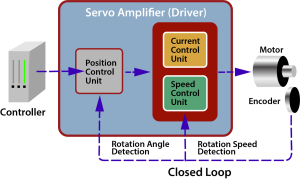
Servo motors are electric motors that use feedback control to achieve precise movement. They consist of three main components: a motor, a drive, and a feedback system. The servo motor itself is usually a DC motor, although AC motors can also be used. The drive is an electronic circuit that controls the speed and direction of the motor, while the feedback system consists of sensors that provide information about the position and speed of the motor shaft.
The Key Features of Servo Motors
One of the most important features of servo motors is their ability to rotate to a specific angle with great accuracy. This makes them ideal for applications such as robotic arms, which require precise movements to perform tasks like picking and placing objects. Another key feature is their high torque, which allows them to move heavy loads with ease. Additionally, servo motors have a fast response time, meaning they can quickly adjust their speed or direction to maintain the desired position.
The Versatility of Servo Motor Applications
The uses for servo motors are virtually endless. In industrial settings, they are widely used in CNC machines, 3D printers, and robots to control the movement of various tools and components. In the hobbyist world, servo motors are commonly found in RC cars, planes, and boats, providing precise control for steering, throttle, and other functions. They are also used in home automation systems, camera gimbals, and even animatronics.
Servo motors are also a popular component in the world of DIY electronics. With the help of microcontrollers like Arduino, they can be easily integrated into projects such as automated curtains, robotic arms, and even musical instruments. Thanks to their compact size and flexibility, servo motors have opened up a whole new realm of possibilities for makers and inventors.
Choosing the Right Servo Motor
When it comes to selecting a servo motor for your project, there are several factors to consider. The first is the torque rating, which determines how much weight the motor can lift or push. Next, you’ll want to look at the speed and angle range, as well as the accuracy and resolution of the feedback system. Additionally, some servo motors may have specialized features such as waterproofing or metal gears, making them suitable for specific environments or tasks.
Taking Your Projects to the Next Level with Servo Motors
Servo motors have truly revolutionized the world of robotics and automation. Their precision, versatility, and compact size make them an essential component for any project that requires accurate motion control. Whether you’re a hobbyist, a student, or a professional engineer, incorporating servo motors into your designs will take your creations to the next level. So why wait? Get your hands on a servo motor today and let your imagination run wild!
In conclusion, servo motors are no longer just a niche technology – they have become a game-changer in many industries and are accessible to anyone with a passion for tinkering and inventing. With so many possibilities and applications, it’s safe to say that servo motors will continue to shape the future of robotics and automation. So don’t be afraid to experiment and see how you can use this incredible technology to bring your projects to life!