
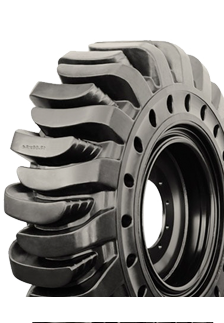
When it comes to using telehandlers, having the right tires is essential for smooth and efficient operation. However, not all telehandler tires are created equal. In fact, choosing the right tires can make a significant impact on the overall performance and lifespan of your machine. Let’s dive into why quality telehandler tires are crucial and what you need to know when purchasing them.
The Importance of Quality
Telehandlers are heavy-duty machines that are designed to handle heavy loads and navigate through rough terrain. As such, they require tires that can withstand these demands and provide stability, traction, and durability. Choosing low-quality or mismatched tires can result in reduced performance, increased wear and tear, and higher operating costs.
One of the primary reasons why quality telehandler tires are vital is safety. The right tires can improve the stability and handling of the machine, reducing the risk of accidents. They also offer better traction, preventing slippage and ensuring that the telehandler stays firmly on the ground, even on uneven surfaces. Additionally, high-quality tires are less likely to experience blowouts or punctures, reducing the risk of unexpected downtime and potential injuries.
The Right Size and Type
When purchasing telehandler tires, it’s essential to ensure that they are the correct size for your machine. Using tires that are too small or too large can negatively affect the balance and performance of the telehandler. Additionally, each tire has a weight rating that should match or exceed the weight of your machine and the loads it carries.
Another essential factor to consider is the type of tire. There are three main types of telehandler tires: pneumatic, solid, and polyurethane foam-filled. Pneumatic tires are similar to those found on cars and are best for rough terrain and outdoor use. Solid tires, as the name suggests, are entirely solid and suitable for smooth surfaces and indoor use. Polyurethane foam-filled tires offer a balance between pneumatic and solid tires, providing cushioning and durability for both indoor and outdoor applications.
The Role of Tread Pattern
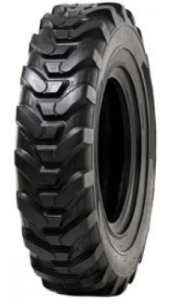
The tread pattern of a tire refers to the design of the grooves and channels on the surface. It plays a significant role in providing traction, especially on wet or slippery surfaces. For heavy-duty applications, deeper treads with wider grooves are ideal as they can expel water and debris more effectively. On the other hand, shallow treads are suitable for light-duty tasks and provide a smoother ride on smooth surfaces.
Moreover, you should also consider the type of tread pattern based on the terrain you operate on. For example, telehandlers frequently used on construction sites may benefit from an aggressive lug-type tread pattern, while those used on a farm may require a rib-style tread for better control on soft soil.
Maintenance and Replacement
Just like any other part of your telehandler, tires require regular maintenance to ensure their longevity and performance. Keeping them properly inflated, free from debris and punctures, and rotating them regularly can help extend their lifespan. As tires wear out over time, it’s crucial to inspect and replace them when needed.
Replacing tires is not cheap, but it’s a necessary investment to keep your telehandler running smoothly and safely. Opting for high-quality and durable tires from the beginning can save you money in the long run and prevent unexpected downtime and repairs.
The Bottom Line
There’s no denying that telehandler tires play a crucial role in the overall performance and safety of the machine. By choosing high-quality tires, ensuring they are the right size and type, and maintaining them properly, you can improve the lifespan and efficiency of your telehandler. Plus, with a wide range of options available on the market, you can find the perfect tires to suit your specific needs and terrain. Don’t compromise on quality when it comes to your telehandler tires – it’s an investment that’s worth every penny.